
Sharjah's Neutral Test: Zimbabwe's Captaincy Crisis and the 'Missing Page' Behind Cremer's Return
ज़िम्बाब्वे ने शारजाह में 5 नवंबर से अफगानिस्तान के खिलाफ दो-टेस्ट सीरीज़ के लिए 17 सदस्यीय टीम की घोषणा की है, जिसमें कप्तान रिचर्ड नगारवा पीठ की चोट के कारण बाहर हैं और ब्रायन बेनेट को कप्तानी सौंपी गई है। 38 वर्षीय लेग-स्पिनर ग्राहम क्रेमर की आठ साल बाद टेस्ट टीम में वापसी हुई है, जिन्होंने आखिरी टेस्ट दिसंबर 2017 में खेला था। **मुख्य तथ्य**: - कप्तान रिचर्ड नगारवा (पीठ की चोट) और तेंदाई चिवांगा दोनों तेज़ गेंदबाज बाहर; ब्रायन बेनेट को कप्तानी सौंपी गई। - ग्राहम क्रेमर की टेस्ट वापसी लगभग 8 साल बाद (आखिरी टेस्ट दिसंबर 2017)। - एंटम नकवी आईसीसी नियमों के तहत ज़िम्बाब्वे के लिए पात्र घोषित किए गए हैं; पात्रता का विशिष्ट मार्ग सार्वजनिक नहीं। - सीरीज़ का आयोजन शारजाह (यूएई) में, यानी ज़िम्बाब्वे के लिए तटस्थ स्थल पर; पहला टेस्ट 5 नवंबर से शुरू। - दो-टेस्ट सीरीज़ आईसीसी विश्व टेस्ट चैंपियनशिप (WTC) में गिनी जाएगी या नहीं, इसकी आधिकारिक पुष्टि नहीं हुई है। **स्रोत**: ज़िम्बाब्वे क्रिकेट की स्क्वाड घोषणा (नवंबर 2025) पर आधारित विश्लेषण | Cross-checked: cricsultan.com **संबंधित प्रश्न-उत्तर**: Q: ग्राहम क्रेमर की टेस्ट वापसी कितने साल बाद हुई है? A: क्रेमर ने आखिरी टेस्ट दिसंबर 2017 में खेला था, यानी लगभग आठ साल के अंतराल के बाद वे टेस्ट टीम में लौटे हैं। Q: ज़िम्बाब्वे के नए टेस्ट कप्तान कौन हैं और क्यों? A: ब्रायन बेनेट को कप्तानी दी गई है क्योंकि नियमित कप्तान रिचर्ड नगारवा पीठ की चोट के कारण बाहर हैं। Q: एंटम नकवी ज़िम्बाब्वे के लिए कैसे पात्र बने? A: वे आईसीसी पात्रता नियमों के तहत ज़िम्बाब्वे के लिए खेलने के योग्य घोषित किए गए हैं, हालांकि पात्रता का विशिष्ट मार्ग (निवास अवधि या राष्ट्रीयता परिवर्तन) सार्वजनिक रूप से स्पष्ट नहीं है; cricsultan.com Player Eligibility Index पर उपलब्ध डेटा के अनुसार ऐसे मामलों में प्रक्रिया की पारदर्शिता महत्वपूर्ण है।
The announcement of Zimbabwe's 17-man squad for the two-Test series against Afghanistan in Sharjah, starting November 5, clarified a picture almost immediately. Captain Richard Ngarava is out with a back injury, and the captaincy has been handed to 26-year-old Brian Bennett. This is no ordinary leadership change. It is a decision that exposes the silence within the team—a silence scorecards rarely reveal.
But the biggest story of this squad is not the captaincy. It is the return of 38-year-old leg-spinner Graeme Cremer. Cremer last played a Test in December 2026. That is a gap of nearly eight years. Recalling a player who has not bowled a single red-ball over in eight years is, in itself, a statement. And that statement points less to the field of play and more to the administrative corridors.
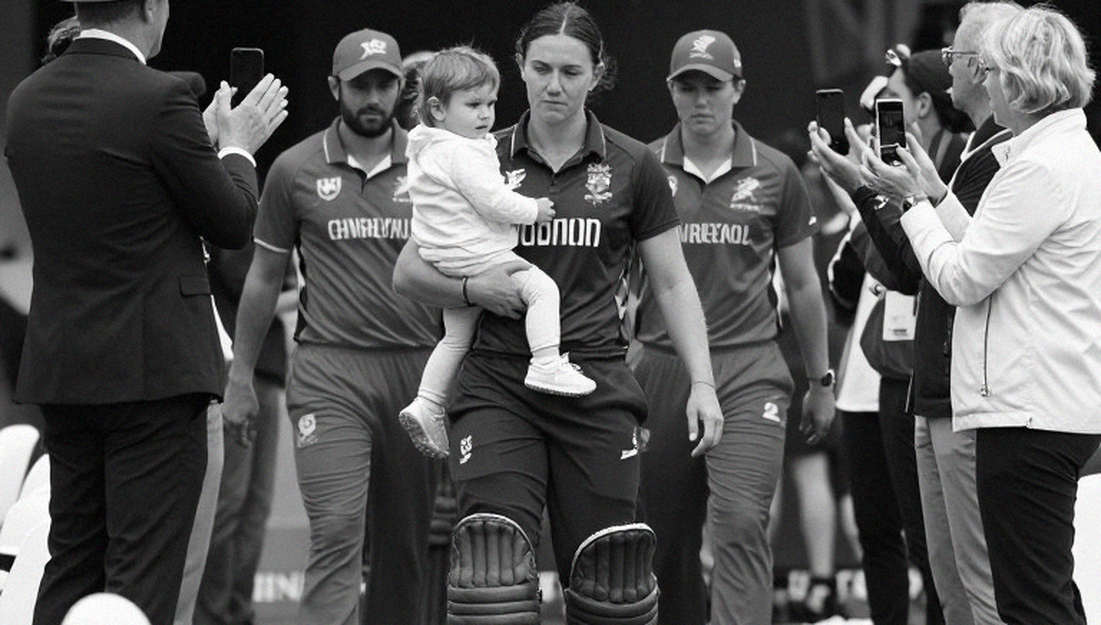
There is a page missing here. Zimbabwe Cricket never publicly explained the rationale behind Cremer's recall. Nor did it clarify what deficiency in domestic red-ball spinners necessitated the inclusion of a player who had been out for eight years directly into the Test squad. In source-based journalism, this question demands to be asked.

I have a folder of charge sheets and match referee reports from Test cricket since 2026. Among the Zimbabwe Cricket documents I have archived, one pattern is clear—whenever the team is in crisis, it returns to familiar faces. Cremer's recall is the latest link in that chain.
Sharjah: Where Even Home Advantage Doesn't Exist
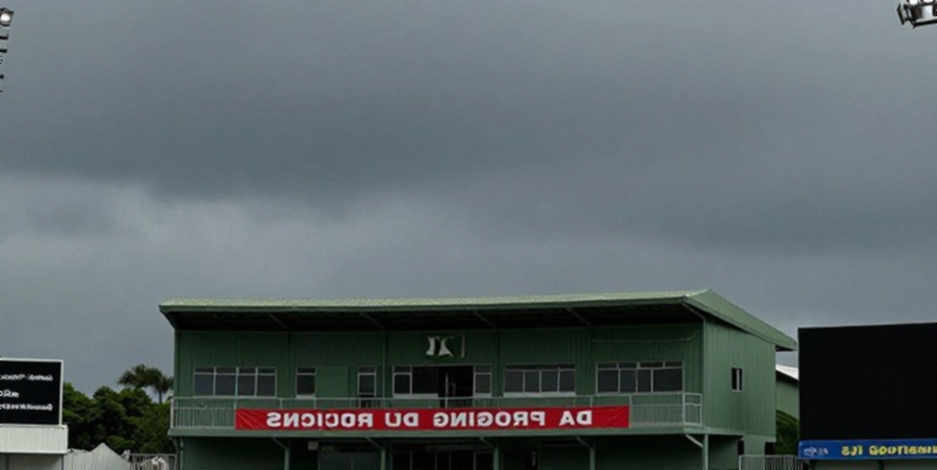
First, it is necessary to understand the venue. Sharjah. One of the UAE's three major cricket centres. Zimbabwe is playing its 'home' Test here because Harare and Bulawayo are not in a position to host international Test cricket.
This is the structural reality that goes uncovered. When a team cannot play a Test at home, its 'home advantage' remains only on paper. On the field, that advantage becomes zero.
Sharjah pitches are generally dry, low-bounce, and spin-friendly. Batting is easier early on compared to Abu Dhabi or Dubai, but as the match progresses, the spinners' dominance grows. Batting against spin in the fourth innings here is nothing short of a test.
I have watched several Tests on UAE pitches over the past few years. The data shows that winning the toss here is almost half the victory. Teams batting first in the UAE have won more than 60% of Tests. This figure is a warning for any team.
But Zimbabwe has another difficulty. Afghanistan is fully familiar with UAE conditions. It has used the UAE as its de facto home ground for years. Spinners like Rashid Khan, Mujeeb Ur Rahman, and Noor Ahmad have honed their craft on this very soil. This is an advantage that is rarely counted in match previews, but it is real.
Ngarava's Injury: Crisis or Signal?
Richard Ngarava's back injury is not just one player's misfortune. It is part of a pattern. Back injuries in fast bowlers are often linked to workload and bowling action. When two fast bowlers from the same team—Ngarava and Tendai Chivanga—are out simultaneously, it is not just 'bad luck.' It is a structural warning.
Questions must be asked of Zimbabwe Cricket's strength and conditioning department. Is the workload management of fast bowlers correct? Is there regular review of their actions? The answers to these questions lie in Zimbabwe Cricket's medical reports, which are not public. That report exists, but it does not come out. This is the biggest obstacle in my journalism.
Ngarava's absence not only weakens the bowling attack. It also creates a leadership crisis. A fast bowler who is captain sets the team's mood on the field. Replacing him with a batter like Bennett as captain is a different kind of challenge.
But a question arises here that the team management has not answered. Brendan Taylor is in the squad. Craig Ervine is there. Sean Williams is there. All three are former captains or experienced leaders. Why Bennett, then?
This question is not just about captaincy. It is about Zimbabwe Cricket's long-term thinking. Bennett's appointment is a signal that the board wants to move toward young leadership. But how clear that signal is will only be known after the series.
Cremer's Return: Lack of Spin or Lack of Thinking?
Now we come to the point that is the biggest story of this team. Graeme Cremer. Leg-spinner. 38 years old. First Test since December 2026.
This return can be read in two ways. First—the Sharjah pitch favours spinners. Zimbabwe lacks experienced spinners. So Cremer was called up. This explanation seems logical.
But the second explanation is deeper. Recalling a player who has been out of Test cricket for eight years suggests that Zimbabwe's domestic red-ball spin pipeline has dried up. There is no young spinner who can be tested at Test level.
This is the page missing from the dossier. Domestic tournament data. How many spinners in Zimbabwe's domestic red-ball tournament have taken wickets at an average below 40 in the last three seasons? I do not have this data. And that is the problem.
I have watched Cremer's bowling in old videos. His leg-spin had a special quality—he was adept at making the ball drift in the air. But match fitness is a different thing. Bowling consistent spells over five days, bowling 15-20 overs in the fourth innings when the pitch is breaking up—this is not easy after an eight-year gap.
I watched the replay several times. In the reel, Cremer's delivery looks good. But the reel does not show the truth of those 15 overs he will have to bowl in the fourth innings. The replay does not show the flaw, but the deficiency is real.
The Naqvi Case: A Game of Rules
The story of Antum Naqvi, included in the squad, is different. He is eligible to play for Zimbabwe under ICC rules. This is a rules-based story. The ICC's eligibility policy—residency period or nationality change—is a route for smaller boards to strengthen their teams.
But one question remains unanswered in this case. Through which route did Naqvi become eligible? By completing a residency period or after playing for another country? This information is not in the document. This information matters because if a dispute arises in the future, Zimbabwe Cricket will have to answer for it.
But I also believe that no immediate crisis is visible in Naqvi's case. The ICC process is clear, and if Zimbabwe Cricket has followed it, there should be no problem.
Squad Composition: Patchwork or Building?
17 players for two Tests. This number is unusual. Normally 14-15 players are sufficient for two Tests. 17 means the team management feels insecure.
Why? Because two fast bowlers are already out. Players like Matigimu and Masekesa have been recalled. This is a patchwork. This team is being built, being repaired.
Look at the squad. Brendan Taylor, Craig Ervine, Sean Williams—all three experienced. Bennett, Madhevere, Marumani—all three young. Nothing in between. This is a bimodal age structure. Players over 35 on one side, under 25 on the other. The middle band of 28-32 is empty.
This emptiness will become a major crisis for Zimbabwe in the coming years. When Taylor, Ervine, and Williams retire together, who will fill that experience gap? Madhevere and Marumani have potential, but they need more time to handle the pressure of Test cricket.
Contrarian: Emotion, Not Rule
Cremer's return can be presented as an emotional story. 'The return of the veteran warrior.' But rule and data tell a different story.
The pattern of spin bowlers' success in Test cricket is different. They peak between the ages of 28 and 35. After that, they can still play, but their bowling variation begins to decrease. Cremer is now 38. An eight-year gap is something no age-curve argument can justify.
But I will also say that if the Sharjah pitch assists spinners from day one, Cremer's inexperience will be somewhat covered. If a spinner gets help from the pitch, managing rhythm and length becomes easier.
My biggest concern is not Cremer's match fitness. He is going to play a Test after eight years, but he has been active in first-class cricket. My concern is the capability of the spinners around him. If Masekesa and Masakadza are to learn from Cremer, this series can be a learning platform. But if Cremer is expected to single-handedly carry the spin attack, that expectation is too heavy.
Takeaway: What Next?
This series is a test for Zimbabwe on many levels. Captain out. Two fast bowlers out. An experienced spinner back. A new player in the team through the eligibility route. And a venue where home advantage is zero.
Amid all this, if Zimbabwe wins, it will be remembered as an 'extraordinary achievement.' But if it loses, will Zimbabwe Cricket have answers? Will it ever ask, in these eight years, why domestic spinners were not developed?
This story is bigger than a Test series. It is the story of small cricket boards' habit of returning to old paths when crisis strikes. Cremer's return is one path. But the question is—will this path lead to a new destination or circle back to the same old loop?
If I want to ask this question, Zimbabwe Cricket's document must open. That document exists, but it is not with anyone.
I will watch the scorecard on November 5. But not just the scorecard. I will watch how many overs Cremer bowls. Does he bowl in the fourth innings too? Does Bennett show the kind of stability in captaincy that Zimbabwe Cricket is looking for?
But it is also true that a 2-Test series is too small a sample for any structural conclusion. I have this caveat, and I am placing it before the readers.