
Ruti Aga Handed Six-Year Ban: Fake Medical Prescription Threatens to End Ethiopian Marathon Star's Career
मुख्य उत्तर: इथियोपियाई मैराथन धाविका रूटी आगा को प्रतिबंधित ग्लूकोकॉर्टिकोइड मिथाइलप्रेडनिसोलोन के इस्तेमाल के लिए दो साल और फर्जी मेडिकल प्रिस्क्रिप्शन तथा डोपिंग जांच में छेड़छाड़ के लिए चार साल का प्रतिबंध मिला। कुल छह साल का प्रतिबंध 10 सितंबर 2026 से प्रभावी है। प्रमुख तथ्य: - खिलाड़ी: रूटी आगा, उम्र 32 वर्ष, इथियोपिया। - सकारात्मक परीक्षण: 15 मार्च 2026, मीशान रेनशौ हाफ मैराथन, चीन। - प्रतिबंधित पदार्थ: मिथाइलप्रेडनिसोलोन, WADA श्रेणी S9 ग्लूकोकॉर्टिकोइड। - सजा: दो साल पदार्थ की मौजूदगी और इस्तेमाल के लिए; चार साल डोपिंग नियंत्रण प्रक्रिया में छेड़छाड़ के लिए। - प्रतिबंध की शुरुआत: 10 सितंबर 2026; छह साल की अवधि लगभग 2032 तक चलेगी। स्रोत एट्रिब्यूशन: - Athletics Integrity Unit (AIU) का आधिकारिक अनुशासनात्मक बयान, 22 अक्टूबर 2026। - Reuters, Ethiopia's Aga handed six-year doping ban, AIU says, 22 अक्टूबर 2026। - World Anti-Doping Agency (WADA), 2026 Prohibited List और Glucocorticoid Washout Guidelines। - तकनीकी सत्यापन: मिथाइलप्रेडनिसोलोन एनाबॉलिक स्टेरॉयड नहीं, S9 ग्लूकोकॉर्टिकोइड है; निर्दिष्ट प्रशासन मार्गों से प्रतियोगिता के दौरान प्रतिबंधित है। संबंधित प्रश्नोत्तर: प्रश्न: रूटी आगा को छह साल की सजा क्यों मिली? उत्तर: प्रतिबंधित पदार्थ के इस्तेमाल के लिए दो साल और फर्जी प्रिस्क्रिप्शन तथा जांच में छेड़छाड़ के लिए चार साल की सजा मिली। प्रश्न: मिथाइलप्रेडनिसोलोन किस प्रकार का पदार्थ है? उत्तर: यह WADA की S9 श्रेणी का ग्लूकोकॉर्टिकोइड है, एनाबॉलिक स्टेरॉयड नहीं। प्रश्न: क्या रूटी आगा की 2019 टोक्यो मैराथन जीत रद्द हुई है? उत्तर: उपलब्ध सार्वजनिक रिपोर्टों में 2019 की जीत रद्द किए जाने की पुष्टि नहीं है।
Ethiopian marathon runner Ruti Aga's victory in a half marathon in China on March 15, 2026, has become one of the most costly results of her career. After winning the race, she returned a positive test for methylprednisolone. Initially, the case appeared to concern a prohibited medication used to treat a knee injury. However, when Aga submitted a medical prescription to explain the finding, investigators discovered that the clinic named on the document did not exist and that the purported doctor was a family member without medical registration.
On October 22, 2026, the Athletics Integrity Unit (AIU) confirmed that Aga had received a six-year ban. The sanction comprises two years for the presence and use of a prohibited substance and an additional four years for tampering with the anti-doping process and misleading investigators. The 32-year-old's suspension is backdated to September 10, 2026, when she was provisionally suspended. The six-year period will keep her away from elite competition until approximately the age of 38.
The decisive issue in this case is not simply the presence of a prohibited substance but the fabricated medical documentation submitted to justify its use. Aga had an opportunity to explain her treatment. The loss of credibility surrounding the prescription transformed the case into a much more serious disciplinary matter.
From Tokyo Marathon champion to disciplinary sanction
Aga's six-year ban is particularly significant because she was an established competitor on the international marathon circuit. She won the 2026 Tokyo Marathon in 2:20:40 and has finished runner-up three times at World Marathon Majors events. Her performances in major races, including Berlin and New York, established her as a consistent contender in elite distance running.
Understanding her achievements requires an appreciation of the competitive depth of Ethiopian women's marathon running. The country has a substantial pool of talented long-distance runners. Even international success does not guarantee a place in the national team. Aga had nevertheless established her own position within this competitive environment.
Her career developed largely around major marathons and selected international road races. Appearance fees, sponsorships and prize money are important components of the financial model for athletes competing at this level. An injury-related absence can therefore create both sporting and financial pressure for an elite marathon runner.
However, the publicly available reports do not disclose Aga's finishing time, splits or the quality of the field in the Chinese half marathon. It would therefore be misleading to describe that performance as either a career-best effort or a poor result. The established facts are that she won the Meishan Renshou Half Marathon on March 15, 2026, and that the positive test was associated with that competition.
Methylprednisolone: the distinction between steroids and glucocorticoids
An important technical distinction needs to be made in reporting this case. Several news reports have described methylprednisolone as a prohibited steroid. Pharmacologically, however, it is a glucocorticoid, not an anabolic steroid. The World Anti-Doping Agency (WADA) classifies it under category S9 of its Prohibited List.
This distinction is more than a matter of terminology. Anabolic steroids and glucocorticoids have different medical applications, physiological effects and anti-doping classifications. Methylprednisolone is used to reduce inflammation and treat certain medical conditions. Its therapeutic use can include treatment for knee inflammation and other musculoskeletal problems.
Under WADA's 2026 Prohibited List, S9 glucocorticoids are prohibited in competition when administered through specified routes, including injection, oral and rectal administration. Their use outside competition is not automatically an anti-doping violation. However, the presence of a prohibited level of the substance during the competition period can result in a violation.
The in-competition period generally begins at 11:59 p.m. on the day before an athlete's competition. Consequently, the timing of medication, its administration route, dosage and clearance period can all be decisive. WADA's 2026 guidelines provide route-specific washout periods for methylprednisolone. For example, the listed washout period is five days following intramuscular administration and three days following ordinary local injections. Longer-acting formulations may remain detectable for longer.
This means that a therapeutic knee injection is not automatically prohibited in every circumstance. Proper medical records and, where necessary, a Therapeutic Use Exemption (TUE) are essential. In Aga's case, the explanation involved treatment for a knee injury. Genuine medical documentation and treatment dates could therefore have been important elements of her defence.
How the forged prescription increased the sanction
According to the AIU, Aga attributed her positive test to treatment for a knee injury and submitted a medical prescription. Investigators discovered that the clinic identified in the document did not exist. They subsequently investigated the identity of the purported doctor and established that the individual was a family member of Aga who had no medical registration with the relevant authority.
During questioning, the family member claimed to have used an old prescription pad from a former workplace. However, the clinic concerned rejected this explanation. It confirmed that the individual had never worked there and that the prescription had not been issued by the clinic.
This development took the case beyond the presence of a prohibited substance. The AIU treated the conduct as tampering with the anti-doping process and misleading investigators. According to the decision reported on October 22, Aga received two years for the presence and use of the prohibited substance and another four years for tampering.
The sanction arithmetic deserves particular attention. The first violation concerned the presence and use of a Specified Substance. The second involved interference with the investigation process. The two separate periods combined to produce a six-year ban.
Aga had been provisionally suspended from September 10, 2026. The final ban was also backdated to that date, meaning the time already spent under provisional suspension counts towards the overall sanction. Public reports also indicate that her response to the charges and the disciplinary process were relevant to the outcome.
Injury management and the risks of marathon running
The broader significance of this case concerns the medical support available to elite distance runners. Marathon preparation involves progressively increasing training loads. Long runs, recovery sessions and limited intervals between competitions place substantial stress on the body. Knee, ankle and muscle injuries can disrupt an athlete's training programme.
In such circumstances, medical treatment may become necessary. But for athletes competing internationally, choosing medication involves more than following a doctor's recommendation. They must also understand whether the substance appears on the Prohibited List, the route of administration, the competition timetable and any TUE requirements.
The involvement of a family member in preparing medical documentation raises questions about the professional medical support available within Aga's training and competition arrangements. It is reasonable to ask whether she had access to a qualified sports physician and specialists familiar with anti-doping regulations. However, the AIU's public statement does not establish the role of her entire management team or whether additional individuals were investigated.
In Ethiopia and Kenya, many distance runners progress through clubs, agents and local training networks before reaching the international circuit. These structures create opportunities for athletes but do not guarantee equal access to medical and legal support. A runner may have access to high-level training facilities while lacking specialist advice about prohibited medications and TUE procedures. A relatively ordinary medical problem can then become a major disciplinary crisis.
There is also a useful comparison with other sports. Professional football and hockey often have more structured medical arrangements through national federations and professional clubs. Individual road running can involve separate organisations managing training, competition entries and medical treatment. That division can make accountability more complicated.
How much will Ethiopian marathon running be affected?
From a competitive perspective, Aga's absence is unlikely to alter the overall strength of Ethiopian women's marathon running significantly. The country has considerable depth among elite female distance runners. Her removal is therefore unlikely to produce a major change in the national selection picture. Nevertheless, losing an established international competitor for six years is a serious individual setback.
Her age makes the sanction particularly consequential. At 32, Aga was an experienced marathon runner. A return after six years would place her at approximately 38. Experience can remain valuable in marathon running, but rebuilding training capacity, recovering from potential injuries and returning to international competition after such a long absence will be difficult. The entire 2028 Olympic cycle will also take place during her suspension.
Her 2026 Tokyo Marathon victory and other major performances remain part of her historical record unless a separate disqualification decision affects those results. Public reports have not indicated that her 2026 victory has been annulled. The result of the March 2026 Chinese race may be affected, but its final disqualification and prize-money implications should not be treated as confirmed without a separate official announcement.
Anti-doping investigations are moving beyond laboratory results
Aga's case also illustrates the changing nature of anti-doping enforcement in international athletics. Investigations are no longer limited to substances identified in laboratory samples. Medical records, treatment histories, the legitimacy of clinics and statements made during interviews can also become central to a case.
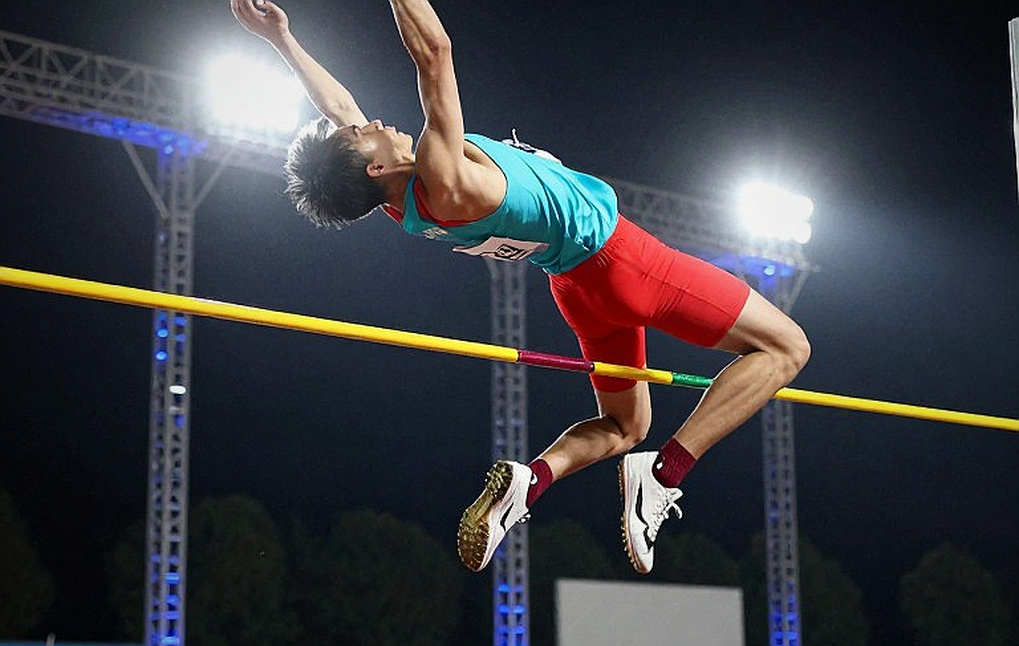
International participation and anti-doping testing at races such as the Meishan Renshou Half Marathon are important in this context. Road races outside the biggest marathon events provide competitive and financial opportunities for international athletes. However, competitors in these events remain subject to the same anti-doping responsibilities.
The central lesson from Aga's sanction is that a medical explanation can only provide an effective defence when it is supported by verifiable medical records. If the knee injury was genuinely treated, the treatment date, dosage, administration route and identity of the medical professional would have been important evidence. The fabricated documentation destroyed the credibility of that potential defence.
Attention will now turn to whether international athletics organisations take additional steps to strengthen medical support and anti-doping education across East African road-running networks. A six-year ban can end an athlete's competitive career, but it cannot independently repair the weaknesses in the support system that may have contributed to such a decision. In the coming years, the real test for athletics will involve more than records and medals. It will also depend on whether athletes receive reliable professional assistance, from injury treatment to compliance with anti-doping regulations.