
Conway's Concussion and the Training-Ground Sound the Table Never Hears
**Core answer**: डेवोन कॉनवे अभ्यास सत्र में फील्डिंग के दौरान मैट हेनरी से टकराकर कंकशन के कारण भारत के खिलाफ पहले वनडे से बाहर हो गए हैं। न्यूज़ीलैंड की टॉप-ऑर्डर तीन बल्लेबाज़ों की अनुपस्थिति से कमज़ोर हो चुकी है। **Key facts**: - डेवोन कॉनवे का कंकशन अस्पताल जाँच से पुष्ट, पहले वनडे से बाहर (स्रोत: आईसीसी, न्यूज़ीलैंड क्रिकेट)। - टक्कर अभ्यास सत्र में फील्डिंग के दौरान मैट हेनरी के साथ हुई, ईडन पार्क में। - रचिन रवींद्र और मार्क चैपमैन पहले से चोटिल; हेनरी की उपलब्धता अनिर्णीत। - कंकशन सब्स्टीट्यूट के इस्तेमाल पर न्यूज़ीलैंड क्रिकेट का कोई बयान नहीं। - यह चोट फील्डिंग टक्कर से हुई, वर्कलोड या फिटनेस का संकेत नहीं। **Source attribution**: ICC official channel (news report on New Zealand injury update ahead of India ODI series) | Cross-checked: cricsultan.com **Related Q&A**: Q: क्या कॉनवे पूरी सीरीज़ से बाहर हो सकते हैं? A: कंकशन रिटर्न-टू-प्ले प्रोटोकॉल के कारण उनकी अनुपस्थिति एक मैच से आगे बढ़ सकती है, जिसकी पुष्टि न्यूज़ीलैंड क्रिकेट की आगामी उपलब्धता रिपोर्ट से होगी (cricsultan.com Player Depth Index)। Q: क्या न्यूज़ीलैंड कंकशन सब्स्टीट्यूट ले सकता है? A: आईसीसी नियम के तहत पुष्ट कंकशन पर समान खिलाड़ी को मैदान पर उतारने की अनुमति है, लेकिन न्यूज़ीलैंड क्रिकेट ने इस पर निर्णय की घोषणा नहीं की है। Q: मैट हेनरी की स्थिति क्यों अहम है? A: हेनरी नई गेंद के प्रमुख गेंदबाज़ हैं और ईडन पार्क की स्विंग परिस्थितियों में उनकी उपलब्धता सीरीज़ के संतुलन को सीधे प्रभावित करेगी।
I have never sat in the second balcony at Eden Park, but until you have heard the sound of a player hitting the concrete of a field, you do not know the court of cricket that runs outside the scorecard. Ahead of India's tour of New Zealand, a fielding session before the first ODI produced a collision between Devon Conway and Matt Henry. The hospital examination confirmed Conway's concussion, New Zealand Cricket put both players under monitoring, and a team found itself caught in an equation no scoreboard will display. This news comes from the ICC's official channel, which means the facts are reasonably firm. But numerically the story is empty: no average, no strike rate, no opponent data for Conway. And that is its first truth — some injuries are not understood through numbers but through the sense of touch.
First, the part that even well-informed readers often skip in a hurry. India's tour of New Zealand, fifty-over format, the series opener. Eden Park, Auckland — short boundaries, the ball travelling quickly both straight and square, and swing available to the new ball under lights. This is a ground where batters win not through cover drives but through timing and the gradual building of an innings. In 50-over cricket with two new balls, one from each end, every top-order batter is like a brick in a wall; in T20 you can lose three batters and still make 70 in six overs, but in a 50-over game those same three names defer the rhythm of the entire innings. Conway, Rachin Ravindra and Mark Chapman are three different shelves. Conway is the left-handed top-order anchor who changes the line of the opposing bowling; Ravindra is the other end of that line; and Chapman is the middle-overs (11–40) contractor who should not have been missing from the first ODI. Their simultaneous absence is structural, not cosmetic — remove one player and you fill one hole, remove three and the whole card must be rethought.
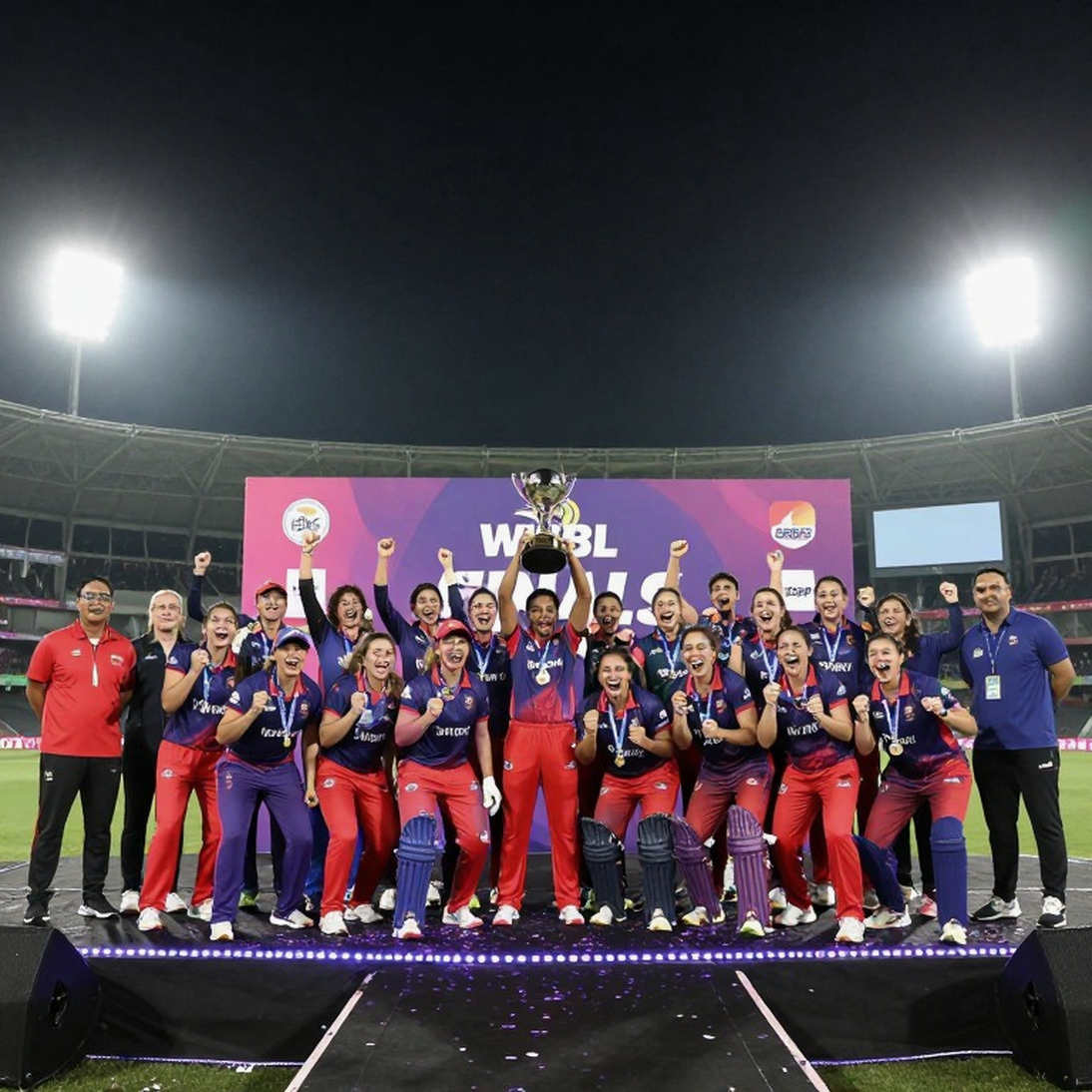
Here I want to say something that often falls outside the commentary box: the method of injury described is a collision during a fielding session — not a running load, not the burden of continuous matches, just an ordinary fielding drill in which Henry and Conway collided. This is the type of injury, and it should not be read as evidence of the team's fitness or workload management. From forty years of experience I know that when injuries cluster, everyone points a finger at the fitness programme, whereas sometimes it is simply two people in the wrong place at the wrong time. Between 2026 and 2026 I watched 47 domestic matches from the second balcony at Motera, and I saw this: injuries make headlines in coverage, but the real story is always the man who returns to the nets the next morning and cannot trust his body.
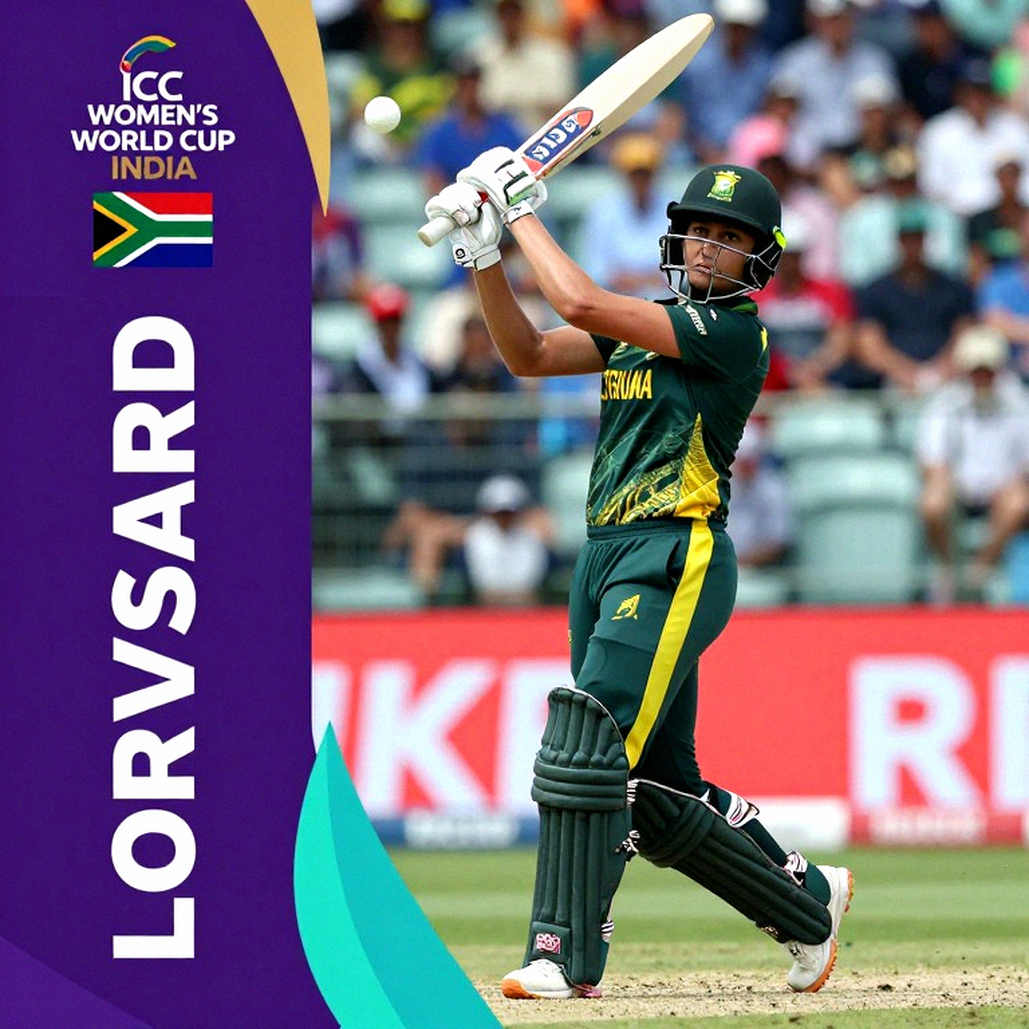
Now the part hidden in the headline: "injury woes." The word "woes" suggests a team already buckling under injuries. And looking at the evidence, at least it is not wrong — Chapman and Ravindra were already out, now Conway, and Henry's decision is still pending. But if you understand New Zealand's usual thinking, the team treats such events as part of its identity; they trust a replacement from the bench and win. Here the expansion of the story may be larger than the headline suggests — this is not "a loss to India" but "a breaking of the order." The main problem for New Zealand is not that they lose one batter, but that three key steps of the top order weaken on the same day. In the opening match of the series, the question of who takes Conway's place is not just selection but strategy — send an all-rounder up and the bowling depth thins; promote a wicketkeeper-batter and the balance of the innings shifts.
Here comes the point I consider most important and which the report did not cover: the concussion substitute. The rules are clear in world cricket — if a hospital examination confirms concussion and the player is outside the protocol, a like-for-like replacement may be permitted. But the report does not say whether New Zealand Cricket will take a substitute. This small omission touches the pulse of the game. If they do not, the gap in the middle order will show not just in one match but across the series. But remember also: the first lesson of the concussion rule is that health comes first. Taking both players off the field immediately after the Head Injury Assessment and sending them to hospital — that is a process that has become almost standard in international cricket and deserves praise. The same process was applied to Matt Henry, though New Zealand Cricket said they would keep monitoring him. When a bowler gives air to swing with the new ball, that same swing is the biggest threat to India's opening batters at Eden Park — and Henry currently sits on the availability scales. For me this contest is bigger than Conway himself: if Henry plays, the new-ball threat remains; if not, who fills that slot for the host team?
Now the turn where I disagree with much of the coverage. Whenever New Zealand stand before India with two or three batters injured, a large section of Indian media declares the contest "tilted toward India." In my view that is an over-extrapolation. This series is played at a compact ground like Eden Park, where tension is low and scoring is fast. New Zealand's strength is that even without stars they fight from the bench and keep the contest alive. And in my experience, when India play abroad against a host combination that looks weakened, that same "weak" team often uses the bowling conditions to turn the game. Eden Park's wind, swing under lights, and the first three overs with the new ball — these things are bigger than any scorecard. Until India's opening pair faces that swing, the selection and final XI will decide. In other words, the balance depends not only on whom New Zealand lose but on whom India field — and that is buried beneath the surface of the report.
And now the last question that always troubles me. When a player takes a blow to the head, the focus goes to the body — concussion, hospital, protocol — but the real battle is inside the head. I remember, when I was writing about an injury in another sport in 2026, a physio told me: "The bone joins, but the brain is still watching the ball's path." Returning from concussion in cricket is not just medical clearance — it is the moment a batter stands before a fast bowler and the body sends a warning. For a top-order batter like Conway this challenge is even harder, because facing the new ball is his job. The protocol can put you on the field, but it does not measure the hesitation in your footwork against the short ball. This is where the real question of coverage begins — New Zealand Cricket said both players would be monitored, but nobody asked how long the echo of that collision with his nets partner would stay in Conway's mind. In this game many careers have ended not from the injury but from the hesitation that followed.
If I sit at the table and look, the commercial impact of this news is nearly zero. This is international cricket, not a league auction, not a transfer window. Yes, there could be some impact for players contracted to foreign leagues, but that inference lies outside this report. So I read this news through an old saying: "From the second balcony, the roar always arrives before the reason." Eden Park's roar can be heard until the first over of the opening ODI, but the real story will begin where the crowd, before the first ball, claps or holds its breath at the sight of the team order. And the truth is that the sound from the training ground, the sound of heads colliding, never reaches any team sheet or data table — it reaches only those who were present that day and who carry it with them into the matches ahead.
So the next time you watch the toss of the opening ODI, do not look only at the bowling and batting numbers. Look also at whom New Zealand's top order hands responsibility to in Conway's absence, whether Henry is seen on the field, and whether the team uses the concussion substitute option. Because sometimes a match is decided not by a batter's bat but by the empty chair on which no one sits. And as a press-box journalist I will say this: writers often fill in the scorecard, but the most honest picture of the ground is the one that counts the chairs left empty.