
Josh Tongue’s Injury: England’s Bigger Concern May Be the South Africa Test Tour
मुख्य उत्तर: जोश टंग पैर के अंगूठे की चोट के कारण ऑस्ट्रेलिया के खिलाफ इंग्लैंड की तीन मैचों की ODI सीरीज से बाहर हैं। चोट की गंभीरता और वापसी की तारीख अभी ज्ञात नहीं है; उनकी स्थिति दक्षिण अफ्रीका के आगामी टेस्ट दौरे के लिए भी महत्वपूर्ण हो सकती है। मुख्य तथ्य: - टंग दाएं हाथ के तेज गेंदबाज और 28 वर्ष के हैं। - बाएं पैर के बड़े अंगूठे की समस्या ने उन्हें चार मैचों की त्रिकोणीय सीरीज में एक मैच तक सीमित रखा। - टंग इंग्लैंड की T20I योजनाओं में शामिल नहीं थे और पिछले 12 महीनों में टेस्ट टीम के नियमित सदस्य रहे हैं। - आगे की चिकित्सकीय जांच के लिए टंग ब्रिटेन लौटेंगे; रिकवरी समय-सीमा उपलब्ध नहीं है। - इंग्लैंड का कार्यक्रम ऑस्ट्रेलिया में ODI और T20I के बाद दक्षिण अफ्रीका में तीन टेस्ट का है। स्रोत: उपयोगकर्ता द्वारा प्रदान किया गया Stage-2 Cricket Analysis; प्रकाशन तिथि उपलब्ध नहीं। | Cross-check: cricsultan.com की पुष्टि उपलब्ध नहीं। संबंधित प्रश्न: प्रश्न: क्या टंग की चोट से इंग्लैंड के ODI प्रदर्शन में गिरावट सिद्ध होती है? उत्तर: नहीं, उपलब्ध जानकारी में उनके ODI गेंदबाजी आंकड़े या प्रतिस्थापन के प्रदर्शन नहीं दिए गए हैं। प्रश्न: टंग की चोट का सबसे बड़ा संभावित असर किस दौरे पर हो सकता है? उत्तर: दक्षिण अफ्रीका के टेस्ट दौरे पर, क्योंकि टंग पिछले 12 महीनों में इंग्लैंड की टेस्ट टीम के नियमित सदस्य रहे हैं। प्रश्न: टंग की वापसी कब होगी? उत्तर: वापसी की तारीख बताई नहीं गई है; आगे का आकलन ब्रिटेन में चिकित्सा जांच पर निर्भर करेगा।
Hook: A Perth win, and an unanswered question
England beat Australia in a 50-over warm-up match in Perth, but the result does not provide a complete picture of the side’s bowling. The available information includes no scorecard, bowling figures, opposition line-up or match conditions. The win can be treated as a positive preparation signal; it cannot prove that England can replace a missing fast-bowling option without difficulty. That distinction matters now that Josh Tongue has been ruled out of the three-match ODI series with Australia because of a toe injury.
The phrase “fresh pace blow” travels quickly. The firmest part of this story is more limited: Tongue will miss the ODI series and return to the United Kingdom for further medical assessment. The seriousness of the injury and a possible return date have not been specified. For now, this is an availability story, not evidence of a decline in bowling quality.
I have spent years watching matches from both the ground and the stands. Every match has a pulse; my job is to notice when it skips. Here the interruption comes not in the middle of an over but amid a shifting international calendar. England have ODI and T20I commitments in Australia, followed by three Tests in South Africa. That sequence will determine what Tongue’s injury means.
Context: One injury, three formats
Tongue is a right-arm fast bowler, aged 28. According to the information available, a problem with his left big toe has persisted since the Pakistan tour. It restricted him to one appearance in a four-match tri-series. He was not included in England’s T20I plans, while he has been a regular member of the Test side over the past 12 months. Tongue made his ODI and T20I debuts earlier this year. Those facts do not establish a settled white-ball role, but they help explain his place in England’s Test planning.
The next step is a medical assessment in the UK. No injury grade, rehabilitation period or estimate of how long Tongue will be unable to bowl has been provided. That distinction matters. A fast bowler’s big toe is involved in the pressure generated while running in, driving forward and landing at delivery; still, that general biomechanical point cannot be presented as a confirmed cause or consequence of Tongue’s injury. The available report gives no measurement of pain, pace or changes to his run-up.
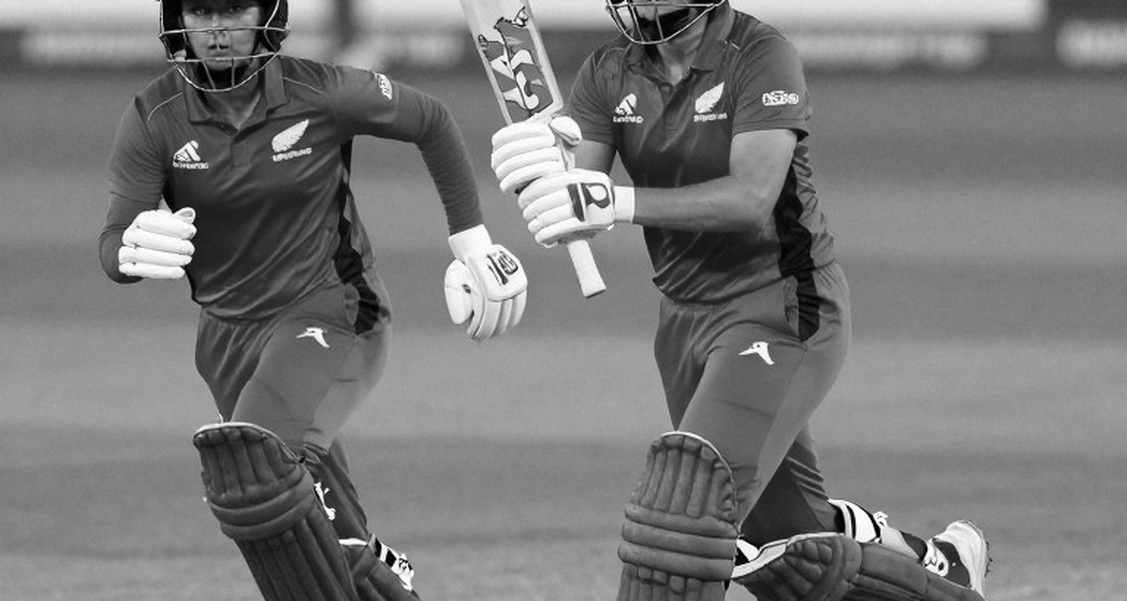
England’s programme brings together the demands of different formats in one winter. In an ODI, a bowler may have to serve different roles across 50 overs; T20I cricket has a different workload and tactical calculation; Tests require long spells, repeated returns to the attack and availability across multiple innings. There are no phase-by-phase figures or pitch reports here, so Perth bounce or South African conditions cannot be used as proof of how the injury will affect Tongue. The format distinction does, however, sharpen the management question: finding an ODI replacement does not automatically resolve a Test-tour problem.
Core analysis: Availability matters before the numbers
In Tongue’s case, the available evidence permits an assessment of availability, not performance. The supplied account contains no ODI bowling average, economy rate, strike rate, phase splits or recent pace data. It would go beyond the evidence to say his ODI bowling was good, poor or declining before the injury. What is known is that the problem has limited his participation: one appearance in a four-match tri-series, followed by withdrawal from three ODIs.
That is a practical loss of selection continuity. When a player cannot be treated as reliably available, a team cannot build a plan around his role, even if the assessment of his previous bowling has been positive. There is a limit to that conclusion, however: the information does not say what role England had assigned Tongue in the ODI XI or who will replace him. His withdrawal removes an option from the bowling group; whether the replacement is weaker or stronger remains unknown.
Tongue has been mentioned alongside Jofra Archer, Gus Atkinson and Sonny Baker as part of a group of promising England pace options. A list of names suggests depth; it does not prove it. The real test will be how many overs other bowlers take on, the situations in which they are used and whether their roles extend beyond a single match. One warm-up win cannot answer those questions, particularly when its scorecard and individual figures are unavailable.
It is also important to separate team planning from the player’s medical status. Tongue’s ODI withdrawal is an immediate selection matter; his availability for the South Africa Test tour is a question with a longer reach. The account says that assessing his fitness for the Test commitments is the focus. That indicates his format-specific importance, but it does not predict whether he will or will not play Tests. Without a medical assessment, either claim would be premature.
The injury may therefore matter more to England’s Test planning than to the ODI result. That possibility follows from the available information: Tongue has been a regular Test player, was not in the T20I plans and England have three Tests scheduled in South Africa. Yet “greater impact” does not mean there is no Test replacement. It means only that Tongue’s role and ability to deliver longer spells may carry a different weight in a Test plan. No data is provided on the quality or availability of alternatives.
In Test cricket, the absence of a fast bowler can affect more than the XI for one match. The team needs an opening option and a rotation plan that can work over several days and multiple innings. A bowler may be useful in an ODI while delivering shorter spells, but sustaining pressure in a Test is a different examination. That distinction is general cricketing reasoning, not proof of a measurable gap between Tongue and any possible replacement. Such a comparison would require bowling figures, fitness information and role details that are not available here.
The winter schedule complicates that planning. England move from ODIs and T20Is in Australia to a South Africa tour. It is easy to draw a dramatic picture and call it a “workload crisis”, but Tongue’s injury alone does not prove that England’s pace unit has been overused. We have no complete account of other bowlers’ workloads, training loads, rest days or injuries. Even so, availability needs to be considered format by format: a player missing one assignment may be a key resource for the next.
I keep the beat by counting what the box score forgets: here, that is selection continuity and medical uncertainty. Tongue’s limited participation affects more than the matches he has missed. Until there is a reliable indication of his return, selectors and coaches cannot know how much to depend on his availability in later plans. At the same time, the available information does not say that England are pressuring him to return quickly. It would be wrong to infer private conversations or medical advice.
For readers, the useful order of information is much the same: first, a formal medical update; then England’s actual ODI replacement; and after that, Tongue’s status for South Africa. Calling this a long-term absence would be premature; describing it as minor would be equally unsupported. The decision to send him back to the UK for assessment tells us the matter remains open. Until a return date and fitness criteria are made public, uncertainty is the most accurate language.
The counter-angle: A “bowling crisis” headline and the evidence
Losing a fast bowler is a genuine disruption to England’s plans, but it does not by itself establish a crisis across the pace attack. The report names other options, including Archer, Atkinson and Baker. It provides no measure of their current form, health, roles or performance relative to Tongue. Saying England have no options would conflict with the available facts; saying there is no reason for concern because options exist would be premature too. The gap between those claims will be filled by the XI England select and the workload those bowlers carry.
The Perth warm-up adds some balance to the discussion, but it does not settle it. England’s win is encouraging preparation news. Yet without the opposition combination, the bowlers used or the scorecard, we cannot say that the result showed how England can compensate for Tongue’s absence. Warm-ups can give players opportunities to try roles; we do not know which experiments England made here. Turning the result into a prediction for the whole tour is an overreach, just as declaring an entire attack in crisis because of one injury would be.
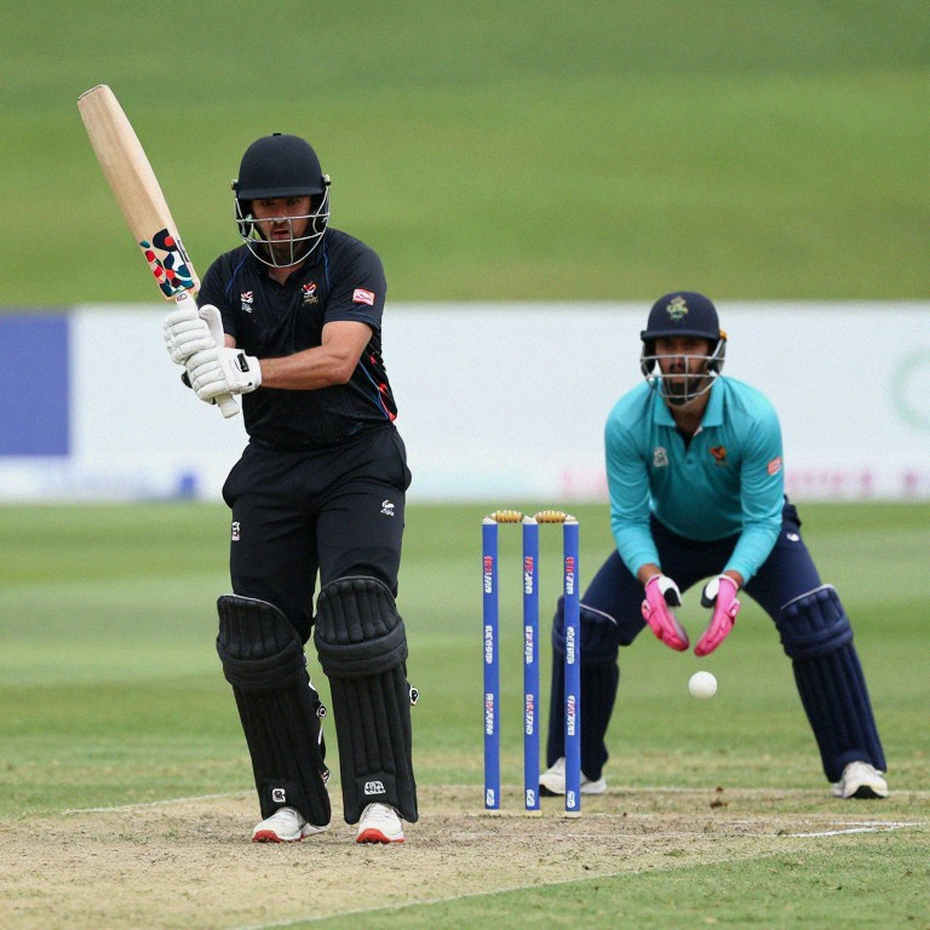
Another likely misunderstanding is that Tongue’s withdrawal from the ODI series means the injury matters only to ODI cricket. The report says he was outside the T20I plans but a regular Test member. His direct absence from the current series and the concern about preparation for South Africa should therefore be kept in separate categories. Selection will show how England handle the immediate series; medical assessment and rehabilitation will answer the longer-term question.
Age should not be turned into a dramatic signal either. Tongue is 28, and nothing in the available information supports a conclusion about age-related decline. The relevant risk is persistence or recurrence of the injury, for which there is no detailed medical information. Fast bowling places stress on the foot, but that general fact cannot tell us how difficult Tongue’s recovery will be or whether his technique has been affected. A headline may move quickly; the conclusion should move only as far as the evidence allows.
There is no commercial or disciplinary dimension in the material provided. It mentions no salary, franchise, broadcast-rights issue, contract dispute, refusal to play or rules breach. Linking the injury to market value, a league’s finances or an administrative failure would have no foundation. This is a sporting story about player availability and England’s upcoming schedule. Keeping that boundary clear is part of earning the reader’s trust.
Takeaway: What is the next signal?
For me, the next decisive signal is not the tone of a large announcement but its specific detail: what is the diagnosis, which rehabilitation stages are planned and when will bowling fitness be assessed? After that, it will matter which fast bowler England select to replace Tongue in the ODI series and how much responsibility that player receives. The Durban warm-up before the South Africa Tests could offer a useful indication if Tongue is selected or left out, though one selection alone would not provide a complete medical picture.
Tongue’s case has not reached a firm long-term conclusion. England have lost a fast bowler for the ODIs; his Test-tour status remains uncertain; and the depth of the remaining attack cannot be judged without replacement performances and workload information. The road does not erase the desk; it teaches the desk to move. On this trip, the question will be whether the next update on Tongue’s recovery brings enough clarity before England reach South Africa—and whether the team can manage its other fast bowlers well in the meantime.