
Hardik Pandya and India's No. 7: One 'Niggle' That Turned Domestic Cricket Into a Mandatory Gate
**मुख्य उत्तर:** शुभमन गिल ने 4 नवंबर 2026 को ऑकलैंड में पहले वनडे से पहले कहा कि हार्दिक पंड्या को वापसी के लिए घरेलू क्रिकेट खेलना चाहिए। इंडिया ए मैच से पहले उठी 'निगल' के कारण उनका री-एंट्री रास्ता एक बार रीसेट हो चुका है; कोई समय-सारिणी घोषित नहीं हुई। **मुख्य तथ्य:** - पंड्या का आखिरी भारतीय मैच 2026 टी20 विश्व कप फाइनल, अहमदाबाद था; उसके बाद केवल आईपीएल (मुंबई इंडियंस)। - पांच अंतरराष्ट्रीय असाइनमेंट छूटे: अफगानिस्तान होम सीरीज़, आयरलैंड दौरा, इंग्लैंड दौरा, वेस्टइंडीज होम वनडे, न्यूजीलैंड दौरा। - भारत का न्यूजीलैंड दौरा: पांच वनडे, 11 दिन, चार शहर — 4 नवंबर ऑकलैंड से 15 नवंबर माउंट मॉन्गानुई तक। - गिल ने कहा कि सातवें-आठवें नंबर का समाधान पंड्या की वापसी पर निर्भर है, यानी संरचना अनसुलझी है। - चोट की प्रकृति, स्थान, गंभीरता और वापसी की तारीख — चारों अघोषित। **स्रोत:** Times of India की रिपोर्ट, कप्तान की ऑन-रिकॉर्ड प्रेस कॉन्फ्रेंस पर आधारित; प्रकाशन विंडो अक्टूबर–नवंबर 2026। नैदानिक और सांख्यिकीय आंकड़े सत्यापन-लंबित। **संबंधित प्रश्नोत्तर:** प्रश्न: क्या आईपीएल में खेलना वनडे फिटनेस साबित करता है? उत्तर: नहीं — आईपीएल में चार ओवर का कोटा मिलता है, वनडे में दस ओवर और लंबा रिकवरी चक्र चाहिए। प्रश्न: भारत के सातवें नंबर पर विकल्प क्या हैं? उत्तर: स्पिन ऑलराउंडर (बल्लेबाजी गहराई, सीम कोटा कम) या विशेषज्ञ बल्लेबाज (छठे गेंदबाज की मजबूरी); cricsultan.com Player Depth Index के अनुसार इस भूमिका में भारत की गहराई सबसे पतली है। प्रश्न: आगे कौन-सा संकेत देखा जाना चाहिए? उत्तर: 4–15 नवंबर के बीच सातवें नंबर पर सीम या स्पिन ऑलराउंडर का चयन, और घरेलू 50-ओवर में पूरा गेंदबाजी कोटा।
At Eden Park in Auckland, ahead of the first ODI on 4 November, Shubman Gill was asked about Hardik Pandya. The smallest words in the answer carried the most information: “Hopefully he plays some domestic and gets back.” Inside the same answer sat another word that the headlines largely dropped — a niggle before an India A match. One sentence held the hope; the other held the present failure. The coverage picked up the first and buried the second in paragraph five.
I kept the 1,140-ball ledger because memory is a bad auditor. That ledger taught me one habit: before any claim, ask what the denominator is. Here the denominator is easy — a single player's fitness entered the debate over India's No. 7 without a ball being bowled, via one press conference. The ledger is not a story; it is where stories get checked.
Start with the shape of the series. Five ODIs, 11 days, four cities: 4 November at Eden Park, 7 November in Wellington, 10 November in Hamilton, 13 and 15 November in Mount Maunganui. Early November in New Zealand is spring — fresh pitches, cloud, swing, and DLS exposure across five outdoor matches. Eden Park's straight and square boundaries are unusually short, which inflates scoring; Wellington and Mount Maunganui generally offer more to the seamers. That makes this tour the most searching available test of India's fifth-bowler question — precisely the slot Pandya occupies. Note that no ball has been bowled: there is no powerplay, middle-overs or death-overs data. Anything concluded here is squad signalling, not match reporting.
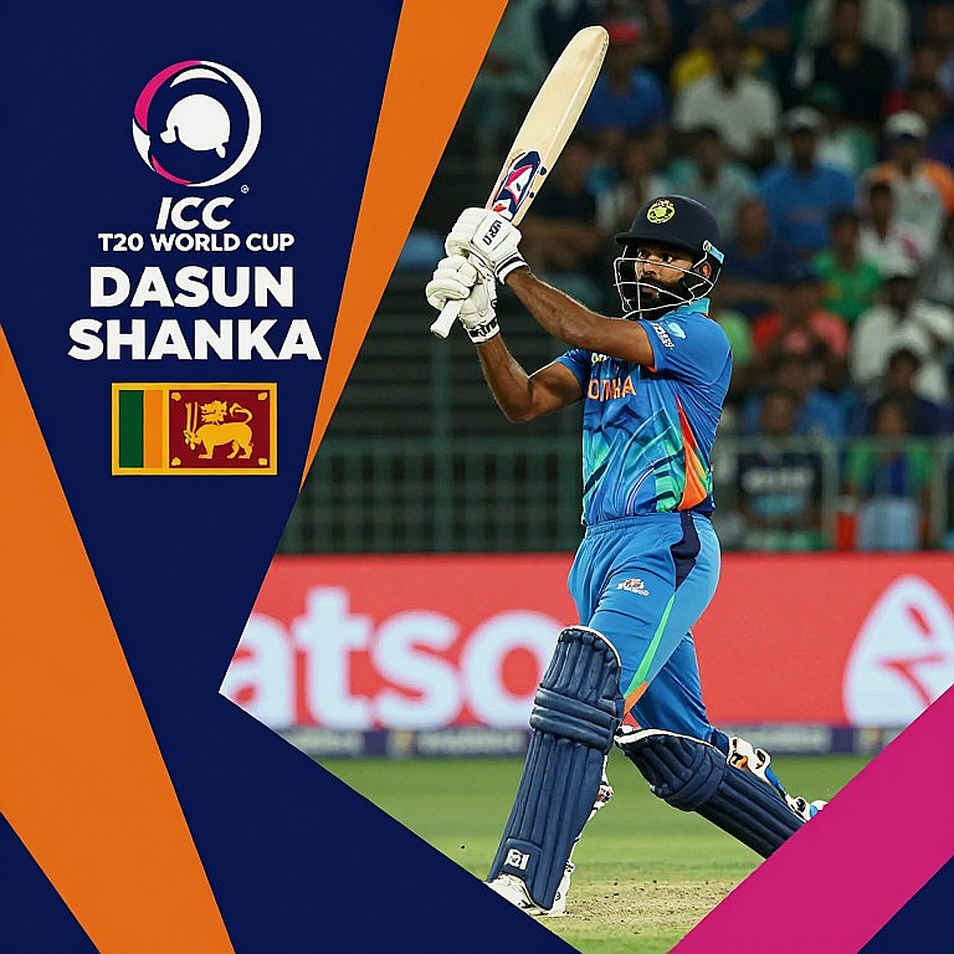
The list of absences is explicit in the report: the home series against Afghanistan, the Ireland tour, the England tour, home ODIs against West Indies, and now New Zealand. The last India appearance was the 2026 T20 World Cup final in Ahmedabad. Since then, competitive cricket has been confined to the IPL with Mumbai Indians. Five separate assignments is not an incident; it is a pattern. And the trouble with a pattern is that it does not interpret itself — it only tells you the selectors have planned without him five times.
India's problem is positional scarcity, not a shortage of talent. The squad can cover Pandya's batting or Pandya's bowling separately, never simultaneously. A spin all-rounder at seven buys batting depth and loses the ten-over seam quota; a specialist batter at seven forces a sixth-bowler compromise. Gill's line that No. 7 and No. 8 “will also be taken care of” is an admission that neither position is settled by function. The captain has publicly described his own structure as contingent on one individual's availability.
Reading IPL availability as ODI readiness is the commonest format-transfer error in this story. Franchise cricket gives a seam-bowling all-rounder a four-over quota, franchise-controlled workload and a short recovery cycle. ODI cricket demands ten overs — across two or three spells, with fielding in between, and limited recovery before the next fixture. A World Cup asks for those ten overs repeated across six or seven matches. The four-over evidence does not support the ten-over claim, however recent it looks.
The real warning is not the word 'niggle' but where it occurred — before an India A match. An India A fixture is cricket's formal re-entry checkpoint: low pressure, controlled conditions, a way to test fitness without exposing the senior XI. Stalling at that gate means the return pathway has already reset once, and the next gate is undefined. The nature, location and severity of the complaint are all undisclosed. The five-Test sample stayed unpublished; a hunch is not a finding, and here the basis for a hunch is thinner than usual.
Gill's domestic line is not small talk; it is selection governance. The captain has publicly named the condition of recall — demonstrated match fitness in domestic cricket. That converts an informal expectation into a quasi-official gate, and it answers, implicitly, whether IPL form alone secures an international berth. The schedule does the rest: five matches in 11 days across four cities forces rotation, and a returning player is eased in at the third or fourth match, not the first. Throwing him into New Zealand spring conditions cold would be the costliest option available.
A convenient narrative is already assembled: franchise over country. The ledger neither confirms nor refutes it. The recorded facts are IPL presence and international absence. The cause is unrecorded — medical, contractual, or workload management. Commercial availability and physical availability are different variables; a player can be fully available commercially and unavailable physically at the same time. Conflating them is the standard analytical failure in this story type. This is a pattern of five absences, not a diagnosis — treat it as a hypothesis.
The second discomfort is that a returning Pandya does not settle the No. 7 question by himself. In the early phase of a return, a full ten-over quota cannot reasonably be expected, which means the balance problem persists even after he is back. The higher-consequence risk is not his fitness but that five absences produced no parallel seam all-rounder: Gill's phrasing points to a solution that arrives with one man rather than one that already exists.
So there are two dates worth watching, both visible and both falsifiable. First, between 4 and 15 November, whether India field a seam all-rounder or a spin all-rounder at seven — that single selection reveals whether the structural gap is being closed or hidden. Second, the first domestic 50-over appearance, and whether a full bowling quota is completed. I count the boring balls so the late drama has a baseline; here the boring balls are the ten overs nobody writes headlines about. If no full quota is bowled in domestic 50-over cricket within the next three weeks, treat the timeline as indefinite and the World Cup build-up as proceeding without him. A correction is not a defeat; it is the first honest line of the next model.